







Search Results for: History of Coffee Development
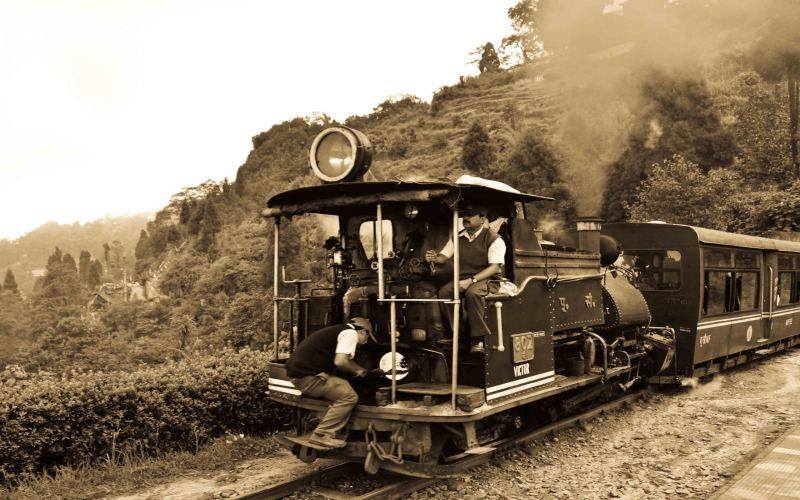
Darjeeling Tea Annual Output and Regional Development: A Cultivation History from Trial Planting to 86 Estates
Darjeeling tea is renowned worldwide for its distinctive muscatel flavor, and its quality is closely tied to the cool, humid climate, soil, and sloping terrain. This article traces the cultivation origins and expanding production regions of Darjeeling tea: from Dr. Campbell's experimental planting, to the establishment of the first commercial tea gardens in the mid-19th century, and to today's scale of 86 tea gardens producing about 10 million kilograms annually. It also introduces the flavor differences across the four main harvest seasons each year, as well as organic certification and industry employment, helping coffee and tea enthusiasts gain a systematic understanding of the past and present of this world-famous tea-producing region. [more…]
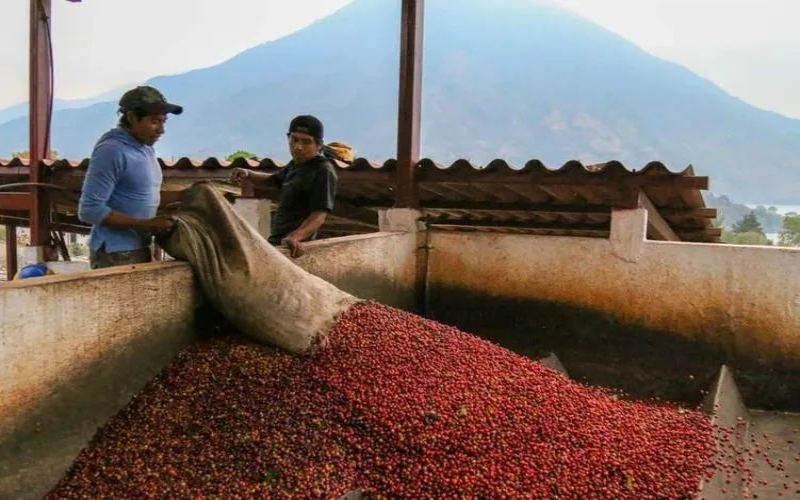
Guatemalan Coffee Growing Conditions, Development History, Main Varieties, and a Detailed Guide to Antigua La Flor del Café Beans
Guatemala is located in southern North America, where volcanic soil, tropical rainforests, and complex microclimates combine to create excellent conditions for coffee cultivation. From Jesuit missionaries bringing coffee trees to Antigua in the 18th century, to coffee rising to become an important cash crop in the mid-19th century, and then to the establishment of the National Coffee Association in 1960, Guatemala's coffee industry has traveled a winding yet solid path of development. Today, the region not only cultivates common varieties such as Bourbon, Typica, Caturra, Catuai, and Geisha, but also has developed distinctive variants such as Pache, Tekisic, and Mibirizi. Front Street Coffee has also acquired La Minita Estate's Flor del café beans from Antigua, and this article will unfold one by one from planting history, variety characteristics, to brewing performance. [more…]

An Analysis of the Differences Between Flannel Hand Pour-Over and Paper Filter Hand Pour-Over: A Comprehensive Interpretation of the Development History and Material Characteristics of Filter Cloth
The choice of filter medium for pour-over coffee directly affects the flavor profile in the cup. Flannel filter cloth and common filter paper each have their own characteristics in the pour-over field; the former, with its unique material structure and historical heritage, has become an option for many coffee enthusiasts pursuing a rich, full-bodied taste. This article will start from the development of flannel filter cloth, systematically compare its differences with ordinary pour-over filter paper, analyze the material characteristics, usage methods, and maintenance points of flannel, and at the same time combine the practical experience of Front Street Coffee to provide readers who want to try flannel brewing with a clear reference. [more…]

Definition and Analysis of Pour-Over Coffee and the History of Instant Coffee Development: The Hazards of Non-Dairy Creamer and a Discussion of the Nanjing Auntie's Brewing Method
As specialty coffee becomes increasingly popular today, what exactly does pour-over coffee refer to as a brewing method? When a Nanjing auntie sparked heated discussion by making so-called "pour-over coffee" with instant coffee powder, it is worth starting from the historical context of coffee to re-examine the origins of instant coffee, the evolution of its processing technology, and why it has fallen from its former stardom to the bottom of the coffee hierarchy. This article will clarify the definitional boundaries of pour-over coffee, trace the development of instant coffee from military demand to Nestlé's spray-drying mass production method, explain the connection between non-dairy creamer and 3-in-1 instant coffee along with their health concerns, and review the special context and shifts in public perception when the first wave of coffee landed in China. Front Street will also share observations on the differences among various coffee audiences. [more…]
A Complete Guide to Kenyan Coffee Beans: Origin Legends, Development History, Growing Regions, and Grading System
Kenyan coffee, with its bright and uplifting acidity, intense berry flavors, and robust juicy mouthfeel, has become the beloved favorite of countless coffee connoisseurs. From the late nineteenth century when French missionaries introduced coffee trees to this land, to today when the Nairobi auction has become one of the most transparent coffee trading platforms in the world, Kenyan coffee has traveled a unique path of development. This article will systematically review the cultivation history of Kenyan coffee, the terroir characteristics of its six core producing regions, and the green bean grading system based on bean size, while also sharing the specific parameters and techniques used by Front Street Coffee when brewing Kenyan beans, taking you through a comprehensive understanding of the charm of this East African coffee powerhouse. [more…]
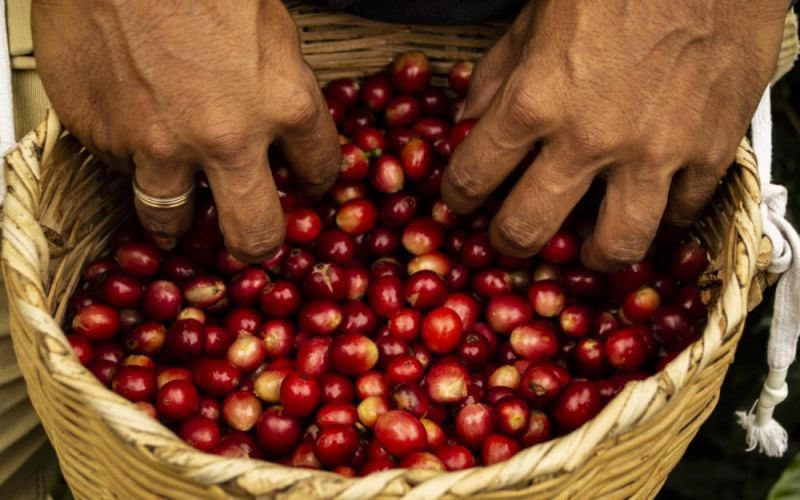
Colombian Coffee Beans: Flavor Characteristics, Development History, Growing Conditions, and Green Bean Grading Standards Explained
Colombian coffee beans can serve as a base for blends, stand alone as a single origin, and even work well with a French press—truly a versatile all-rounder in the coffee world. This article will guide you systematically through the development of Colombian coffee, the terroir characteristics of its main producing regions, the green bean grading system, and complete knowledge from flavor profiles to growing conditions. The volcanic ash soil of the central region imparts bright fruit acidity and rich aroma to the coffee, while the high-altitude producing areas in the south nurture specialty-grade beans. The article also compiles the three major export grade classification standards currently circulating in the Chinese market, along with specific product recommendations from Front Street Coffee, making it suitable for coffee enthusiasts who want to gain a deeper understanding of the Colombian producing regions. [more…]
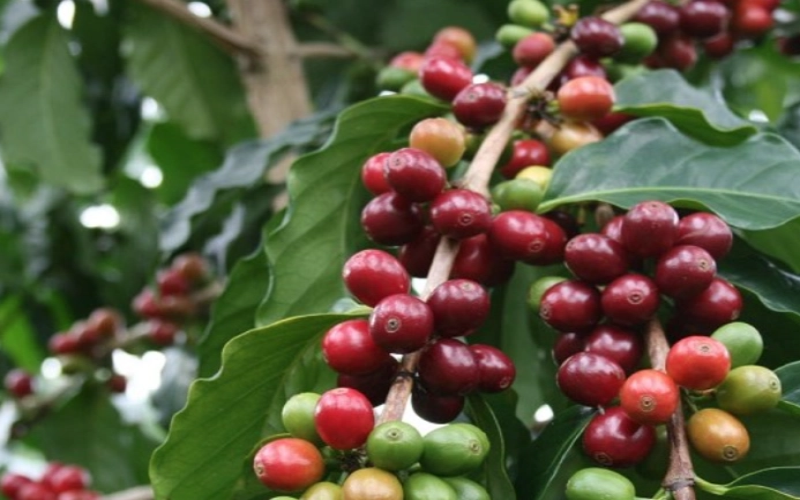
An Analysis of Bolivia's Coffee Industry: Production Regions, Variety Characteristics, and Development Challenges
Bolivia is a landlocked country in central South America, with diverse climatic conditions and a long history of coffee cultivation. Although the country's coffee industry has fluctuated due to coca leaf cultivation and transportation difficulties, coffee from the Yungas region is known for its deep sweetness and berry flavors. This article will guide you through the distribution of Bolivia's coffee regions, varietal characteristics, development history, and the challenges it faces. Front Street Coffee will also recommend Bolivian coffees worth paying attention to. [more…]
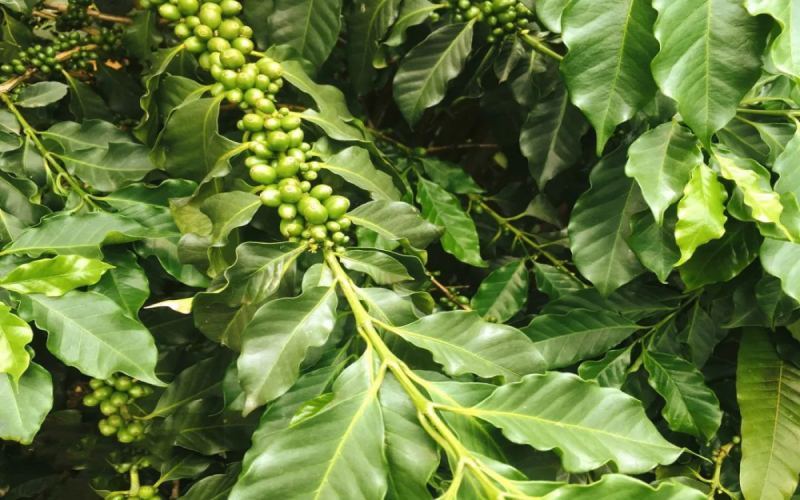
A Comprehensive Analysis of the Yunnan Dehong Coffee Region: Cultivation History, Processing Capabilities, and Pour-Over Flavor Characteristics
As one of the earliest regions in China to introduce coffee cultivation, Dehong Prefecture, with its exceptional natural conditions, has nurtured Yunnan arabica coffee of outstanding quality. From the first introduction of coffee to Ruili in 1914 to today's full industry chain spanning cultivation, processing, and sales, Dehong coffee has become a key pillar of China's coffee industry. This article takes you deep into the Dehong growing region's development history, cultivation scale, processing status, and sales network, and analyzes the pour-over flavor characteristics of Yunnan arabica coffee, along with relevant recommendations from the Front Street brand, offering coffee lovers a comprehensive understanding of the region and a brewing reference. [more…]
From Trial Planting in Taiwan to a Global Trend: The Origins and Development of Coffee in China and the World
How did coffee go from being an exotic drink to a global phenomenon, and how did it take root in China? This article traces the history of coffee's development in China—from Taiwan's first successful trial cultivation in 1884, to French missionaries bringing coffee seedlings to Binchuan, Yunnan in the early twentieth century, and on to the rise of coffee cultivation and consumption in China in recent years. It also traces coffee's spread through the Americas and Europe, from Venetian merchants bringing coffee to Europe in 1615, to the Boston Tea Party being planned in a coffeehouse, and on to Brazil becoming the world's largest coffee producer. Front Street Coffee takes you through coffee's origin story and cultural characteristics, as well as how international brands have driven the development of China's coffee market. [more…]
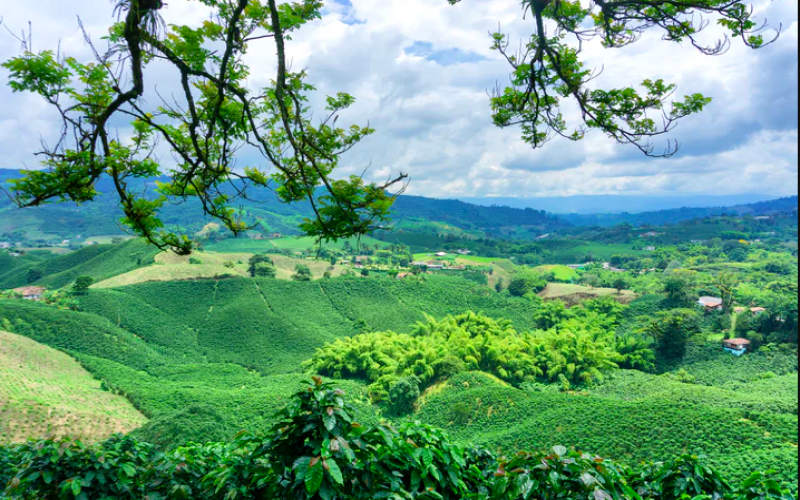
The Development History of Colombian Specialty Coffee and an Analysis of the Sidra Variety at Finca La Divisa in Huila
Colombia, as the world's third-largest coffee producer and the largest processor of washed Arabica, has a specialty-grade share of up to 40% in its coffee exports. From the establishment of the first experimental plantation by Don Mariano Ospina Rodríguez in the 19th century to the founding of the National Federation of Coffee Growers of Colombia in 1927, the Colombian coffee industry has undergone more than a century of development. In this article, Front Street will take you through this history, outline the characteristics of representative producing regions such as Huila and Cauca, and focus on Finca La Divisa in the Huila region and its Sidra variety—a coffee that has attracted much attention since being selected by Anthony Douglas, the 2022 World Barista Champion. What exactly makes it so uniquely charming? [more…]
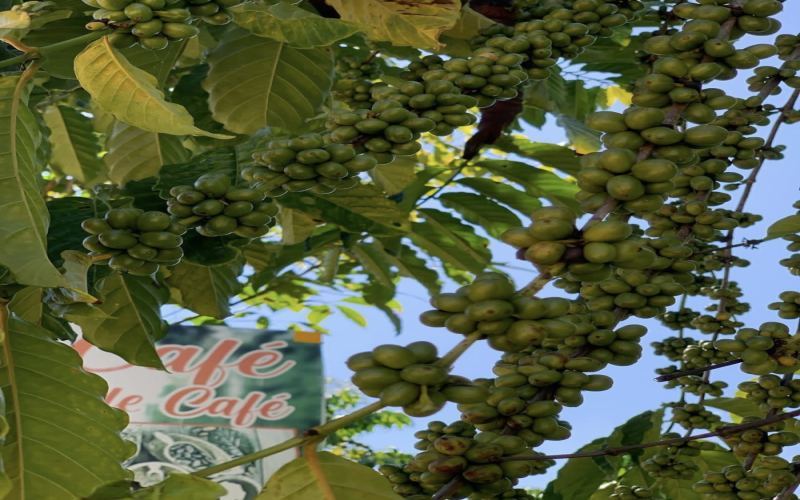
A Comprehensive Analysis of the Dominican Coffee Industry: Growing Regions, Processing Methods, and Development History
The Dominican Republic is located in the eastern part of the Caribbean island of Hispaniola, sharing the island with Haiti. Its fertile soil, abundant rainfall, and high mountain terrain have given rise to island coffee with a uniquely distinctive style. Since coffee was introduced in 1735, the country has experienced the end of slavery, the rise and fall of producing regions, price crises, and government support, gradually forming a planting structure dominated by Typica and Caturra. The five major producing regions of Barahona, Cibao, the Central Cordillera, Neyba, and Valdesia each have their own distinctive terroir, while washed processing gives the beans fresh acidity and plump density. This article will systematically review the development trajectory, regional varieties, processing methods, and current state of the industry of Dominican coffee, taking you deeper into a full picture of this Caribbean coffee-producing country. [more…]
Kenyan Coffee Development History and Flavor Tasting Guide: A Complete Analysis from Planting Origins to Brewing Techniques
Kenyan coffee is renowned worldwide for its bright acidity and berry flavors, making it a favorite among many coffee connoisseurs. This article will take you through the history of Kenyan coffee cultivation from the late 19th century to the present, outline the terroir characteristics of six core production regions, explain the meanings of grading systems such as AA and PB, and share Front Street Coffee baristas' brewing parameters and techniques for Kenyan bean varieties. Whether you are a beginner just getting into specialty coffee or a seasoned enthusiast pursuing the ultimate flavor, you will gain practical knowledge and reference from this article. [more…]
Flavor Analysis of Yunnan Arabica Catimor Variety and the Development History of Its Plantation Origins
Yunnan, with the unique microclimates of the Nu River and Lancang River valleys, has cultivated small-bean coffee that is rich yet not bitter, aromatic yet not harsh, with a slight fruity acidity, and has been praised by international experts as being of world-class quality. From the introduction of the crop by missionaries in 1892 to Nestlé restarting industrialization in Pu'er, Yunnan coffee has gone through a century of ups and downs, yet has long been trapped in the role of raw material supplier. This article sorts out the varietal characteristics of Yunnan coffee, its production area distribution, the acquisition battles with Nestlé and Starbucks, and the tortuous course of local brand awakening and capacity expansion, to help you understand the true face of China's core coffee-producing region. [more…]
Land of a Thousand Hills Rwanda: Coffee Growing Conditions, Development History, and Bourbon Washed Flavor Analysis
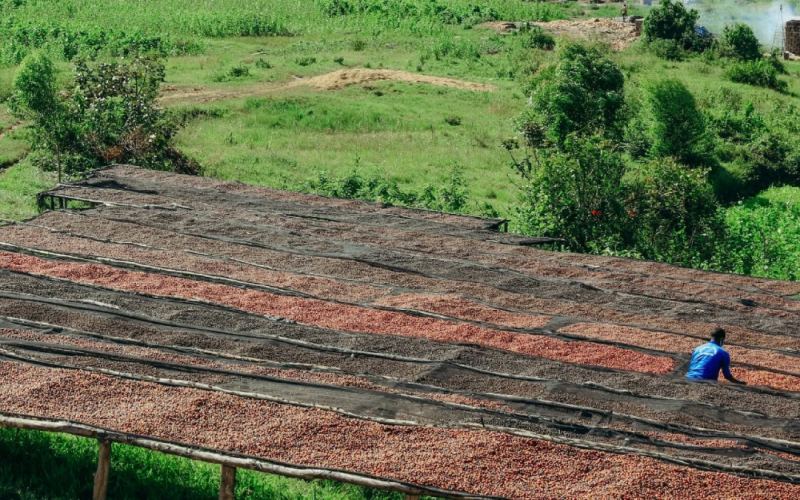
Rwanda is known as the Land of a Thousand Hills. Its territory is mostly mountainous and highland terrain, with fertile volcanic soil, abundant rainfall, and mild temperatures, making it an ideal place to grow Arabica coffee. Coffee exports are the economic lifeline of this landlocked country. Front Street Coffee takes you through Rwanda's coffee-growing environment, the tortuous development path from the colonial period to independence, the differences between the main producing regions in the south and west, and the varieties and processing methods centered on Red Bourbon and washed processing. The article also includes Front Street Coffee's medium-light roast profile, cupping performance, and staged brewing parameters to help you fully grasp the flavor profile of this Rwandan washed Red Bourbon. [more…]
The Development History of Myanmar's Coffee Industry and a Full Analysis of Varieties in Shan State, Mandalay, and Other Producing Regions
Myanmar, a Southeast Asian country that often comes into public view because of telecom fraud in northern Myanmar and civil unrest, yet few people know about its coffee-growing potential. Today, Front Street takes you into this little-known origin. British colonists arrived in the late 19th century, and Catholic missionaries introduced coffee to northern Shan State in the 1930s. In the 1980s, the government cooperated with the United Nations to carry out a project to replace opium poppy cultivation with coffee, and only then did the industry truly begin to develop. Today, Myanmar coffee is mainly concentrated in Nawnghkio, Ywangan, Pwewe in Shan State, and Pyin Oo Lwin in Mandalay Region, dominated by smallholder farming, with 80% of Arabica used for export. Varieties include Caturra, Catimor, Bourbon, Typica, S795, and SL34. By 2024, the planted area has expanded to 279,000 acres, with plans for further expansion in the future. [more…]
A Comprehensive Analysis of the Development History of Colombian Coffee and the Sidra Variety from Finca La Divisa in Huila
Colombia is the world's third-largest coffee producer and the largest producer of washed Arabica, with specialty-grade beans making up as much as 40% of its exports. From the early experiments of Don Mariano Ospina Rodríguez in the 19th century to the founding of the National Federation of Coffee Growers in 1927, Colombia's coffee industry has forged a distinctive path of development. This article traces the historical threads of Colombian coffee and the distribution of its main producing regions, with a focus on Finca El Diviso in the Huila region, as well as the Sidra variety that has attracted considerable attention in recent years—what exactly is the appeal of this coffee that once shone on the world barista championship stage? Front Street Coffee has also brought in Sidra coffee beans from this estate, and the pour-over parameters will be shared below. [more…]
Flavor Characteristics of Panama Elida Estate Washed Geisha Coffee Beans and the Estate's Development History
Elida Estate is a micro specialty estate in Panama covering only 12.5 hectares, yet it rose to fame by taking first place in the 2011 Best of Panama competition. That year, it defeated the long-dominant Hacienda La Esmeralda with a cupping score of 92.3 points, and the winning bid set a new record at US$70.25 per pound. The estate owner cultivates multiple varieties on the limited land, including Typica, Red Catuai, and Pacamara, and since 2008 has gradually introduced Geisha, which now accounts for nearly half of the planted area. The high-mountain environment at 1,500 to 1,675 meters above sea level, combined with native forest and fruit trees, forms a self-sufficient ecological system. This article will guide you through the background of Geisha cultivation at Elida Estate, its competition performance, and the flavor characteristics brought by washed processing, along with purchasing suggestions from Front Street Coffee. [more…]
A brief description of the development history of Panama coffee bean cultivation.
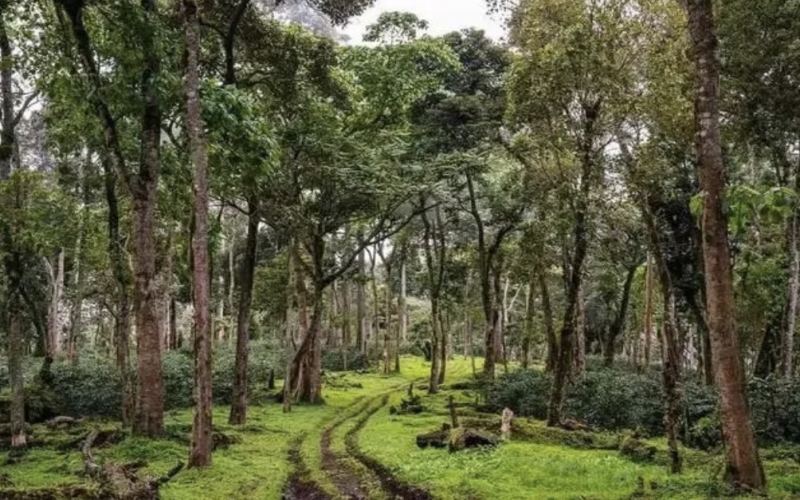
Panama coffee is highly renowned in the global coffee market. At the end of the 19th century, when European immigrants settled in Panama, they brought coffee to Panama; the first area where these immigrants grew coffee was the province of Chiriquí. T [more…]
Nicaraguan Coffee Flavor and Variety Analysis: Regional Characteristics, Growing Environment, and Industry Development History
Nicaragua, as an important coffee-producing country in Central America, despite its weak economic foundation and the hardship faced by coffee farmers, produces coffee that ranks among the world's best with its moderate acidity and rich aroma. The three major producing regions of Matagalpa, Jinotega, and Segovia are particularly outstanding, with Matagalpa's coffee flavor often compared to Kenya AA. This article will introduce you to the flavor characteristics of Nicaraguan coffee, its main varieties, the climate conditions of the growing regions, and the profound impact of political changes on the coffee industry. At the same time, Front Street Coffee will also recommend Nicaraguan coffees worth trying. [more…]
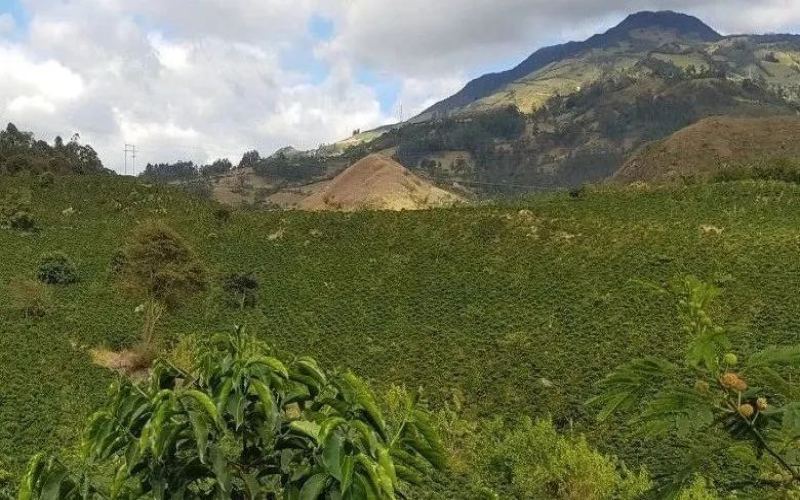
An Analysis of the Coffee Characteristics of Colombia's Nariño Region and the Development History of the Obraje Estate
South America occupies a pivotal position in the global coffee supply, and within it, Colombia—thanks to the unique geographical and climatic conditions of the Andes—has given rise to numerous coffee-growing regions with strikingly different styles. As a rising star, the Nariño department is renowned for its complex flavors and floral aromas, while the Obraje estate is a pioneer and benchmark in this region. This article will guide you through the distribution characteristics of Colombia's coffee-growing regions, focus on analyzing the terroir advantages of the Nariño region, and review the Obraje estate's transformation from grain cultivation to COE champion. At the same time, we will also mention the Huila region representative from Front Street Coffee's everyday beans series for daily tasting reference. [more…]